
Call or Text (832) 289-8905
Premium Offroad Accessories In Deer Park, Texas
PlainAnSimple Offroad Blog
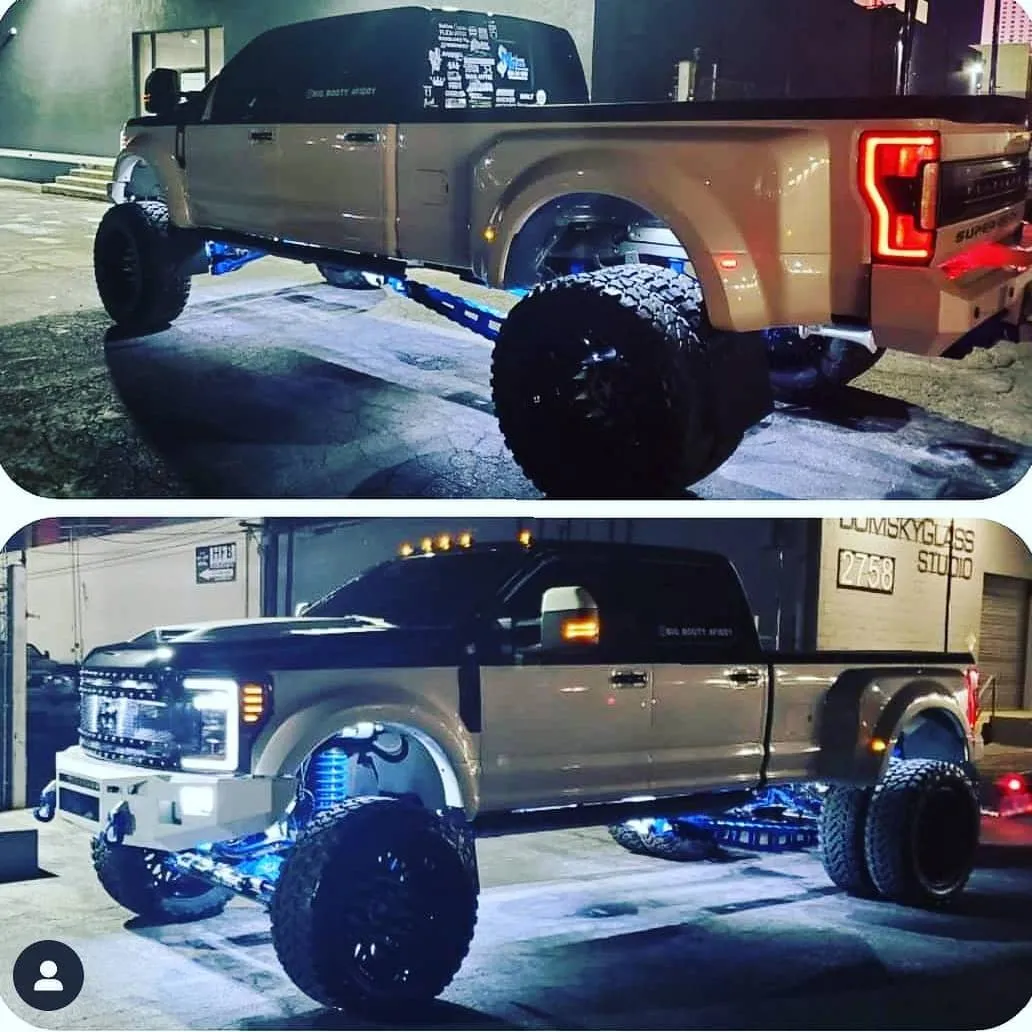
What Increases the Cost of Custom Truck Lighting?
Truck Lighting Costs Vary Far Beyond the Lights Themselves
A lot of truck owners begin shopping for custom lighting expecting the biggest cost difference to come from brightness alone. Then they start comparing setups and notice one lighting package costs a few hundred dollars while another climbs into the thousands.
The reason is that custom truck lighting involves much more than installing a brighter bulb.
Lighting systems vary based on wiring complexity, placement, beam control, durability, waterproofing, vehicle integration, and the intended purpose of the setup. A truck that only needs improved nighttime visibility for commuting will require a completely different lighting approach than a truck built for ranch work, offroad driving, towing, or industrial job sites across Texas.
Some setups focus mainly on appearance, while others are designed around long-distance visibility, trail lighting, or work functionality. The more specialized the system becomes, the more the total cost usually increases.
Different Types of Truck Lighting Serve Completely Different Purposes
One major reason lighting prices vary is because not all lights are designed to do the same job. Some are built mainly for cosmetic styling, while others are engineered for visibility in specific driving conditions.
Truck owners in Texas commonly install:
LED headlights
Fog lights
Light bars
Ditch lights
Rock lights
Bed lighting
Reverse lighting
Accent lighting
Each category has different brightness requirements, mounting needs, and wiring complexity.
Headlights and Road Visibility
Headlight upgrades usually focus on safer nighttime driving and improved beam clarity during highway travel. Higher-end systems often provide cleaner beam patterns and better distance visibility without excessive glare.
Offroad and Trail Lighting
Trail lighting setups prioritize wider visibility, terrain illumination, and low-light driving in rough outdoor environments. These systems often require additional mounting and weather protection.
Utility and Work Lighting
Many truck owners use additional lighting for towing, loading equipment, ranch access, or jobsite visibility. These setups are usually more focused on durability and practical light coverage than appearance.
Beam Quality Often Separates Cheap Lights From Expensive Ones
A bright light is not automatically a good light.
One of the biggest differences between lower-cost lighting and higher-end systems is beam control. Poor beam patterns may scatter light unevenly, create glare for oncoming traffic, or leave dark spots directly in front of the truck.
Higher-quality lighting systems are often designed around:
Controlled beam focus
Distance visibility
Side visibility
Reduced glare
Color consistency
Better weather performance
This becomes especially important for truck owners in Texas who regularly drive dark highways, rural roads, construction areas, or outdoor properties at night.
Cheap lights may initially appear bright when viewed directly, but real-world visibility often tells a different story once installed.
Waterproofing and Heat Management Affect Long-Term Cost
Lighting systems are constantly exposed to:
Rain
Mud
Dust
Heat
Road debris
Vibration
Pressure washing
Lower-quality lighting systems often fail early because of moisture intrusion or overheating.
Several factors increase durability:
Trucks used offroad or near coastal Texas environments often expose lighting systems to even harsher conditions, making durability more important long term.
Installation Complexity Can Increase Labor Costs Quickly
Some lighting upgrades install fairly simply, while others require extensive wiring and mounting work.
More advanced setups may involve:
Running wiring through the cab
Installing auxiliary switches
Integrating relay systems
Mounting lights into bumpers or grilles
Routing waterproof wiring harnesses
Avoiding interference with factory electronics
Modern trucks also include more technology than older platforms, which makes installation more complicated.
Parking sensors, cameras, adaptive cruise systems, and factory LED lighting packages all require careful planning before aftermarket lighting is added.
A clean installation usually takes far more time than simply mounting lights externally and connecting power wires.
Multi-Light Builds Become More Expensive Because of System Integration
Many custom truck lighting builds involve multiple lighting zones working together instead of just one light bar.
For example, a fully integrated setup may include:
Headlight upgrades
Fog lights
Roof lighting
Ditch lights
Reverse lights
Bed lighting
Rock lights
Once multiple lighting systems are combined, additional wiring management, switch panels, and electrical planning become necessary.
The complexity increases even further when drivers want independent control of different lighting zones depending on road use or offroad conditions.
Vehicle-Specific Fitment Affects Pricing
Not every truck platform accepts aftermarket lighting equally easily.
Some trucks have:
Limited mounting space
Complex grille designs
Sensor interference concerns
Tight engine bay access
Factory LED integration challenges
Newer trucks often require vehicle-specific brackets, adapters, or wiring interfaces to maintain compatibility with factory systems.
This is one reason custom truck lighting costs in Texas can vary significantly between older trucks and newer technology-heavy platforms.
Cheap Wiring Creates Expensive Problems Later
Lighting problems are not always caused by the lights themselves. Poor wiring is one of the most common long-term issues in custom truck lighting systems.
Lower-quality wiring setups may lead to:
Flickering lights
Corrosion
Loose connections
Blown fuses
Battery drain
Electrical shorts
Intermittent failures
Proper wiring protection becomes especially important in trucks exposed to:
Rain
Mud
Coastal humidity
Engine heat
Vibration
Offroad driving
A cleaner wiring setup usually improves both reliability and long-term safety.
Some Lighting Setups Prioritize Appearance Over Visibility
Not every truck lighting build is designed primarily for function. Many drivers want lighting mainly for styling and visual impact.
Appearance-focused upgrades often include:
Color accent lighting
Underglow systems
RGB lighting
Interior ambient lighting
Illuminated wheel wells
Multi-color rock lights
These setups can still become expensive depending on wiring complexity and the number of lighting zones installed throughout the vehicle.
Meanwhile, performance-focused lighting systems prioritize usable visibility during nighttime driving or offroad travel instead of cosmetic appearance alone.
Frequently Asked Questions
Why are some LED light bars so much more expensive?
Higher-end light bars often use better optics, improved beam patterns, stronger waterproofing, and more durable internal components.
Can cheap truck lights burn out faster?
Yes. Lower-quality lighting systems may fail earlier because of overheating, moisture intrusion, vibration, or weaker electrical components.
Do aftermarket lights affect my truck’s battery?
Poorly wired or oversized lighting systems can place additional strain on the electrical system if not planned properly.
Why do some LED headlights blind other drivers?
Improper beam alignment or poor reflector design can scatter light incorrectly and create excessive glare.
Can modern trucks still use aftermarket lighting safely?
Yes, but newer trucks often require more careful integration with factory electronics, sensors, and lighting systems.
Final Thoughts on Custom Truck Lighting Costs
Custom truck lighting pricing depends on much more than brightness alone. Beam quality, durability, wiring complexity, mounting location, electrical integration, and long-term reliability all influence the final cost of a setup.
For many truck owners in Texas, lighting upgrades are designed to improve visibility during highway driving, jobsite work, towing, outdoor recreation, or offroad travel. The best systems usually balance usable visibility, clean installation, and long-term durability instead of focusing only on the lowest upfront price.
PlainAnSimple Offroad & Accessories helps truck owners create lighting setups designed around functionality, proper integration, and real-world driving conditions rather than generic one-size-fits-all lighting packages.

Services
Helpful Links
Contact Information
Phone: (832) 289-8905
Address: 413 Center St, Deer Park, TX 77536, United States
Business Hours:
Mon - Fri 9:00 am - 6:00 pm
Sat - Sun Closed
© 2026 All Rights Reserved | PlainAnSimple Offroad & Accessories | Privacy Policy