Call or Text (832) 289-8905
Premium Offroad Accessories In Deer Park, Texas
PlainAnSimple Offroad Blog
Why Does Paint Matching Cost More on Some Trucks?
Some Paint Colors Are Much Harder to Match Than Others
A lot of truck owners assume paint matching is simple. They expect the body shop to look up the factory paint code, spray the new panel, and have everything blend perfectly. Then they receive a quote and realize certain paint jobs cost far more than others.
That price difference usually comes down to how difficult the paint is to replicate accurately in real-world conditions.
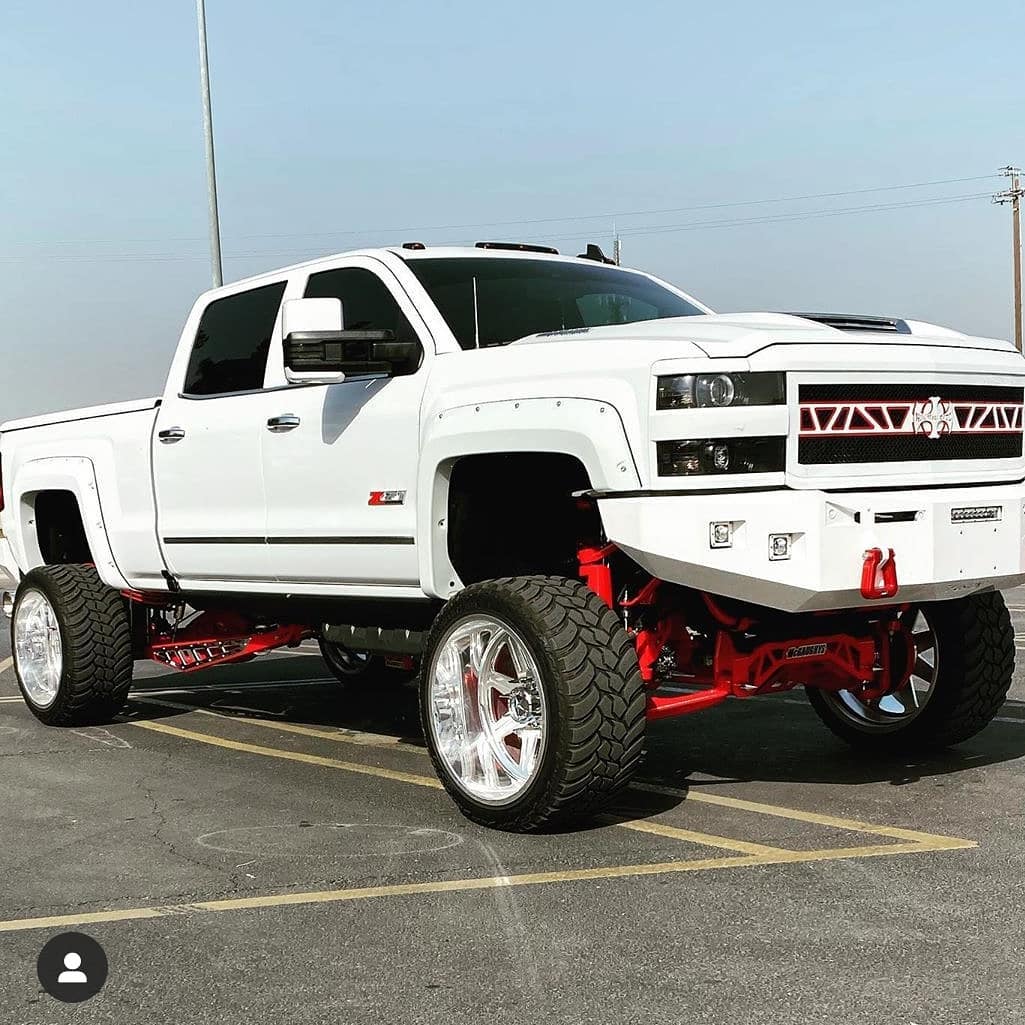
Truck paint matching is affected by color complexity, age, fading, metallic content, panel size, paint condition, and even how light reflects across different body lines. Some trucks can be matched relatively easily, while others require additional blending, testing, and correction work to avoid obvious color differences.
This becomes especially noticeable on lifted trucks, custom trucks, and work vehicles across Texas where constant sun exposure and outdoor driving gradually change how factory paint looks over time.
Factory Paint Codes Are Only the Starting Point
One of the biggest misconceptions about paint matching is that the factory paint code automatically guarantees a perfect match.
In reality, the same factory color can appear slightly different between:
Production years
Assembly plants
Paint batches
Sun exposure conditions
Repair history
Vehicle age
A truck that has spent years driving under Texas sunlight may no longer match the original paint formula exactly because UV exposure slowly changes the color and clear coat appearance over time.
Painters often need to adjust the formula slightly after comparing test samples directly against the truck itself.
That extra correction work is one reason some paint matching jobs become more expensive.
Metallic and Pearl Paints Usually Cost More to Match
Certain paint finishes are far more difficult to blend naturally across adjacent panels.
Solid colors are often more straightforward because the finish remains relatively uniform. Metallic and pearl paints behave very differently because the reflective particles inside the paint change appearance depending on:
Lighting angle
Spray direction
Paint thickness
Surface curvature
Clear coat depth
Truck owners commonly notice this issue on:
Pearl white trucks
Metallic gray trucks
Tri-coat paint systems
Deep red metallic finishes
Factory specialty colors
Even a small difference in metallic orientation can make repaired panels appear lighter or darker than surrounding panels under sunlight.
This is one reason metallic paint matching often requires more blending and additional labor.
Larger Trucks Create More Visible Paint Transitions
Truck panels are physically larger than many passenger vehicles, which makes paint inconsistencies easier to notice.
A slight mismatch on:
Bedsides
Doors
Hoods
Fenders
Tailgates
can become highly visible because light reflects differently across large flat surfaces.
This becomes even more noticeable on lifted trucks where higher ride height places body panels closer to eye level.
To reduce visible differences, painters sometimes blend color into neighboring panels instead of painting only one isolated section. That process increases:
Labor time
Material usage
Prep work
Clear coat application
Buffing and finishing time
The larger the affected area becomes, the more the total project cost usually increases.
Sun Exposure in Texas Changes Paint Over Time
Texas heat and sunlight are extremely hard on vehicle paint.
Over time, UV exposure gradually changes:
Paint brightness
Clear coat depth
Metallic reflection
Surface gloss
Overall color tone
Two trucks with the exact same original factory color may no longer look identical after years of different driving and storage conditions.
For example:
This is one reason older trucks often require additional paint blending and correction work to achieve a natural-looking repair.
Paint Matching Is More Complicated on Custom Builds
Custom trucks often have:
Aftermarket body parts
Fender flares
Modified bumpers
Custom grilles
Lift kits
Repainted panels
Once modifications are added, achieving a consistent finish across the truck becomes more difficult.
Some aftermarket parts may:
Accept paint differently
Have different surface textures
Require additional preparation
Reflect light differently
A custom truck with oversized wheels, suspension modifications, and aftermarket accessories often receives far more visual attention than a stock vehicle, which makes paint mismatches easier to notice.
Surface Preparation Plays a Huge Role in Final Appearance
A large portion of paint work happens before color is ever sprayed.
Surface preparation affects:
Paint adhesion
Texture consistency
Reflection quality
Clear coat smoothness
Long-term durability
Proper prep work may include:
Sanding damaged areas
Repairing dents or imperfections
Feathering paint edges
Priming exposed surfaces
Cleaning contaminants
Masking surrounding panels
Poor preparation can create visible imperfections even if the color itself matches properly.
This is why quality paint work often involves much more labor than customers initially expect.
Blending Adjacent Panels Increases Costs
Some trucks require painters to blend color into surrounding panels instead of spraying only the damaged section.
Blending helps reduce noticeable transitions between old and new paint by gradually fading the color into nearby areas.
This process becomes more common with:
Metallic paints
Pearl finishes
Older trucks
Sun-faded vehicles
Large body panels
While blending improves visual consistency, it also increases:
Material usage
Prep time
Labor hours
Clear coat application
Finishing work
That additional labor is often one of the biggest reasons certain paint matching jobs cost significantly more.
Cheap Paint Work Often Looks Worse Over Time
Lower-cost paint jobs may initially look acceptable, but long-term problems often appear later.
Common issues include:
Uneven color tones
Premature fading
Clear coat peeling
Orange peel texture
Overspray
Visible blend lines
For trucks regularly exposed to Texas heat, sunlight, rain, and road debris, poor-quality paint materials and shortcuts usually become more obvious over time.
This is especially noticeable on custom trucks where body condition and exterior appearance are major parts of the overall build.
Some Colors Are Known for Being Difficult Industry-Wide
Certain factory colors have developed reputations for being extremely difficult to match consistently.
These often include:
Pearl whites
Metallic silvers
Candy reds
Deep blacks
Tri-stage paints
Color-shifting finishes
Painters sometimes spray multiple test panels before achieving the closest possible match on these colors.
That extra material use and correction time naturally increases the cost of the project.
Frequently Asked Questions
Why doesn’t the factory paint code always match perfectly?
Paint changes over time because of sun exposure, aging, environmental conditions, and manufacturing variations between production batches.
Why are metallic paints harder to match?
Metallic particles reflect light differently depending on spray angle, paint thickness, and panel shape, making color consistency more difficult.
What does blending mean in paint work?
Blending means gradually fading new paint into neighboring panels to reduce visible color differences between repaired and original surfaces.
Why do larger truck panels make paint matching harder?
Large flat panels reflect light more evenly, which makes even small color differences easier to notice.
Can older truck paint still be matched accurately?
Yes, but older paint often requires more adjustment and blending work because the original color may have faded or changed over time.
Final Thoughts on Paint Matching Costs
Paint matching involves much more than simply spraying a factory color code onto a truck panel. Paint age, sunlight exposure, metallic finishes, body size, blending requirements, and surface preparation all influence how difficult the job becomes.
For truck owners in Texas, long-term sun exposure and outdoor driving conditions often make accurate paint matching more complicated than expected, especially on lifted trucks, work trucks, and custom builds that receive constant exposure to harsh conditions.
PlainAnSimple Offroad & Accessories works with truck owners looking for paint work and custom upgrades designed to maintain clean appearance, consistent finish quality, and long-term durability across the entire vehicle.

Services
Helpful Links
Contact Information
Phone: (832) 289-8905
Address: 413 Center St, Deer Park, TX 77536, United States
Business Hours:
Mon - Fri 9:00 am - 6:00 pm
Sat - Sun Closed
© 2026 All Rights Reserved | PlainAnSimple Offroad & Accessories | Privacy Policy
Website Done By: LocalEyes