
Call or Text (832) 289-8905
Premium Offroad Accessories In Deer Park, Texas
PlainAnSimple Offroad Blog
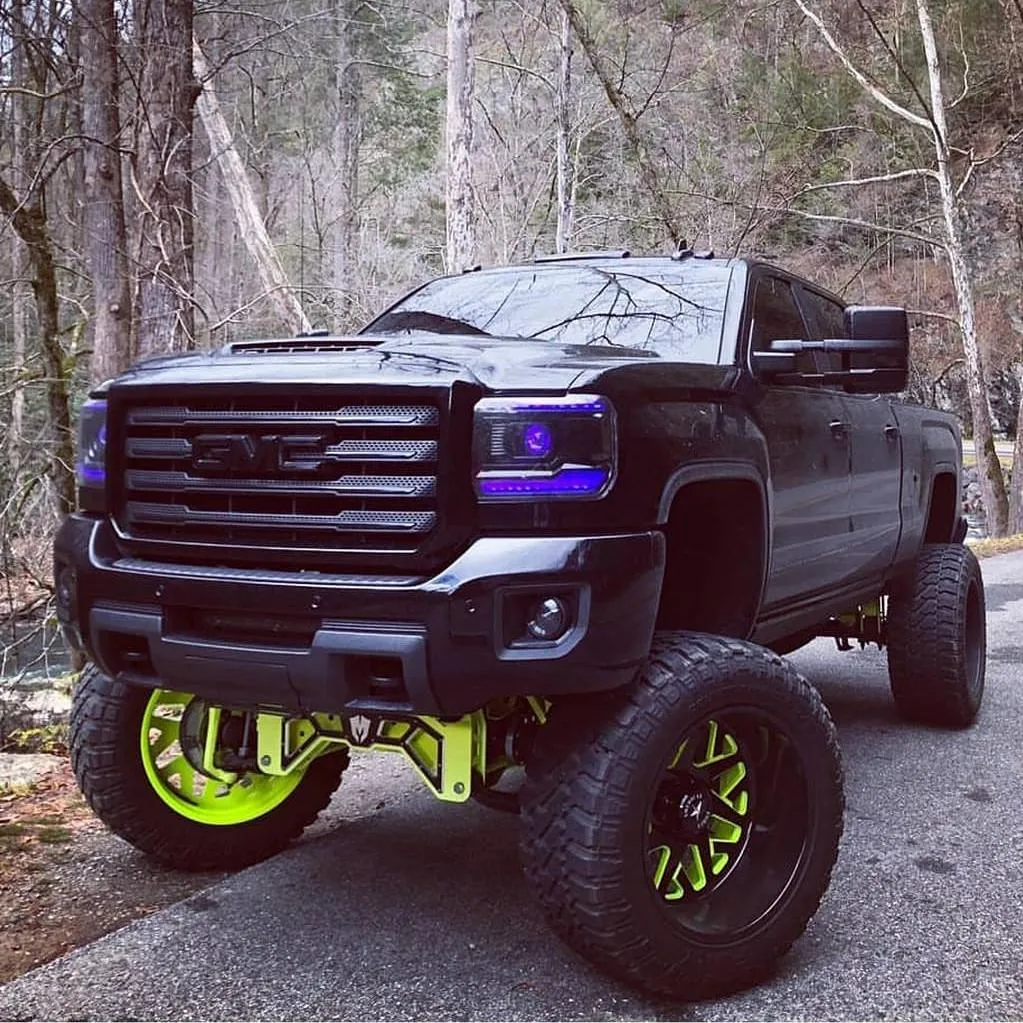
Why Do Some Wheel and Tire Setups Cost More?
Not All Wheel and Tire Packages Are Built for the Same Purpose
A lot of truck owners start shopping for wheels and tires expecting prices to stay fairly close between setups. Then they discover one package costs a few thousand dollars more than another that looks almost similar at first glance.
That price difference usually comes from far more than just brand names or appearance.
Wheel and tire setups are heavily influenced by how the truck is used, what type of driving the owner does, how aggressive the fitment is, and whether the setup is built for long-term drivability or simply visual impact. A truck used for daily commuting across Texas highways needs a very different wheel and tire combination than a truck built for towing, beach driving, or offroad trails.
The overall cost is often tied to durability, tire construction, wheel materials, suspension compatibility, and how much fitment work is required to make the setup function properly.
Tire Type Changes the Price Faster Than Most Drivers Expect
One of the biggest reasons wheel and tire setups vary in cost is tire construction itself. Tires built for completely different conditions can look similar from a distance while performing very differently on the road.
Truck owners in Texas commonly choose between:
Highway tires
All-terrain tires
Mud-terrain tires
Hybrid terrain tires
Heavy-duty towing tires
Each category is designed around different priorities.
Highway Tires
These are often quieter, smoother, and more fuel-efficient for regular commuting and pavement driving. They usually cost less than aggressive offroad tires because they use less complex tread designs and lighter construction.
All-Terrain Tires
All-terrain tires are one of the most common choices for Texas truck owners because they balance highway comfort with light offroad capability. They typically cost more than highway tires because of stronger sidewalls and more aggressive tread patterns.
Mud-Terrain Tires
Mud tires are designed for rough terrain, deeper mud, loose surfaces, and more aggressive offroad use. They usually cost more because of heavier construction, reinforced sidewalls, and larger tread voids.
The more specialized the tire becomes, the more the price generally increases.
Wheel Construction Plays a Huge Role in Pricing
Many customers focus mainly on wheel size and appearance, but wheel manufacturing methods heavily affect both cost and performance.
The two most common wheel categories are:
Cast wheels
Forged wheels
The difference between them can significantly change pricing.
Forged wheels usually cost more because they are manufactured using higher-pressure processes that improve strength while reducing weight. Some truck owners choose forged wheels for towing setups, performance builds, or larger tire combinations where wheel strength matters more.
Cast wheels remain popular because they offer a wide range of styles at more affordable price points.
Larger Wheels Often Increase More Than Just Wheel Cost
Many truck owners assume the wheel itself is the only part getting more expensive when wheel size increases, but larger wheels often affect the entire setup.
Moving from a moderate wheel setup to oversized wheels may increase:
Tire pricing
Installation labor
Alignment requirements
Suspension modifications
Brake clearance considerations
Tire replacement costs
Low-profile tires paired with oversized wheels can also change ride comfort and increase the chance of wheel damage on rough roads.
For trucks in Texas that regularly encounter potholes, construction zones, uneven pavement, or jobsite conditions, wheel size decisions often involve balancing appearance with durability.
Aggressive Fitment Usually Costs More to Do Correctly
Flush or aggressive wheel fitment has become increasingly popular on lifted trucks and street-truck builds. However, pushing wheels outward changes more than appearance alone.
Aggressive setups may require:
Specific wheel offsets
Fender trimming
Suspension adjustments
Tire clearance testing
Additional alignment correction
Some trucks can run wider wheel setups easily, while others develop rubbing problems during turns or suspension movement if fitment is not planned properly.
The trucks that look the cleanest often involve more careful fitment planning behind the scenes, which contributes to overall project cost.
Tire Weight Affects More Than Performance
Heavier tires usually cost more, but they also change how the truck behaves afterward.
Larger or heavier wheel and tire combinations can affect:
Fuel economy
Steering feel
Braking distance
Suspension wear
Ride comfort
Acceleration response
This becomes especially noticeable on trucks used heavily for commuting or towing across Texas highways.
A very aggressive mud-terrain setup may look impressive, but some drivers eventually switch to lighter all-terrain tires because they want quieter road manners and smoother long-distance driving.
The right setup depends heavily on how the truck is actually used.
Some Trucks Need Additional Upgrades After Wheel Changes
Wheel and tire upgrades sometimes create additional needs elsewhere on the truck, especially when tire size increases significantly.
Several supporting upgrades may become necessary:
Suspension Adjustments
Larger tires often require leveling kits, lift kits, or suspension corrections for proper clearance.Alignment Corrections
Wheel fitment changes can alter steering geometry and tire wear patterns.Brake Considerations
Heavier wheel and tire combinations may change braking feel and stopping performance.Speedometer Recalibration
Larger tires can affect speedometer accuracy on some trucks.Tire Carrier or Spare Clearance
Oversized tires sometimes no longer fit factory spare tire locations properly.
This is one reason some wheel and tire setups cost substantially more than others even when the wheels themselves appear similar.
Brand Reputation Influences Pricing Too
Wheel and tire brands vary heavily in manufacturing quality, warranty support, durability, and consistency. Some lower-cost brands may initially save money but wear faster, become noisy sooner, or provide inconsistent balancing.
Higher-end brands often invest more into:
Tread design engineering
Noise reduction
Durability testing
Sidewall strength
Wet-weather performance
Weight reduction
Drivers who spend a lot of time on Texas highways or tow regularly often prioritize reliability and road manners over simply choosing the cheapest setup available.
The Cheapest Setup Is Not Always the Lowest Long-Term Cost
A lower upfront price does not always mean a cheaper setup over time.
Less expensive wheel and tire combinations may lead to:
Faster tire wear
More road noise
Poor ride quality
Balancing problems
Reduced wet-weather traction
Increased suspension wear
Meanwhile, a properly planned setup often lasts longer, drives better, and avoids fitment issues that require expensive corrections later.
This is especially important for trucks used daily for work, commuting, towing, or long-distance driving.
Frequently Asked Questions
Why are some truck tires so much more expensive?
Tire pricing depends on construction quality, tread design, load rating, sidewall strength, size, and intended driving conditions.
Do bigger wheels always cost more?
Usually yes, because larger wheels also require larger tires, which often increase replacement and installation costs.
What’s the difference between all-terrain and mud-terrain tires?
All-terrain tires are designed to balance highway comfort with light offroad capability, while mud-terrain tires prioritize aggressive offroad traction.
Can heavier wheels and tires affect ride quality?
Yes. Heavier setups can change steering feel, suspension response, braking performance, and road comfort.
Why do some trucks rub after installing bigger wheels and tires?
Rubbing is usually caused by wheel offset, tire width, suspension travel, or insufficient clearance planning.
Final Thoughts on Wheel and Tire Setup Costs
Wheel and tire pricing depends on far more than appearance alone. Tire construction, wheel materials, fitment complexity, suspension compatibility, driving habits, and long-term durability all affect the final cost of a setup.
For many truck owners in Texas, the goal is finding a setup that looks aggressive while still remaining practical for highway driving, towing, outdoor travel, or daily commuting. The right combination usually balances appearance, ride quality, clearance, and long-term performance instead of focusing only on the lowest upfront price.
PlainAnSimple Offroad & Accessories helps truck owners build wheel and tire setups designed around proper fitment, drivability, and real-world use instead of one-size-fits-all combinations.

Services
Helpful Links
Contact Information
Phone: (832) 289-8905
Address: 413 Center St, Deer Park, TX 77536, United States
Business Hours:
Mon - Fri 9:00 am - 6:00 pm
Sat - Sun Closed
© 2026 All Rights Reserved | PlainAnSimple Offroad & Accessories | Privacy Policy