
Call or Text (832) 289-8905
Premium Offroad Accessories In Deer Park, Texas
PlainAnSimple Offroad Blog
What Affects the Cost of a Truck Lift Kit in Texas?
Why Lift Kit Pricing Varies More Than Most Truck Owners Expect
A lot of truck owners start shopping for lift kits thinking the process is simple: choose a height, install bigger tires, and the truck is done. Then the price differences start showing up. One shop quotes a basic leveling setup while another recommends upgraded suspension components, steering corrections, or additional modifications that cost significantly more.
That difference usually comes down to what the truck is being built for and how complete the setup actually is.
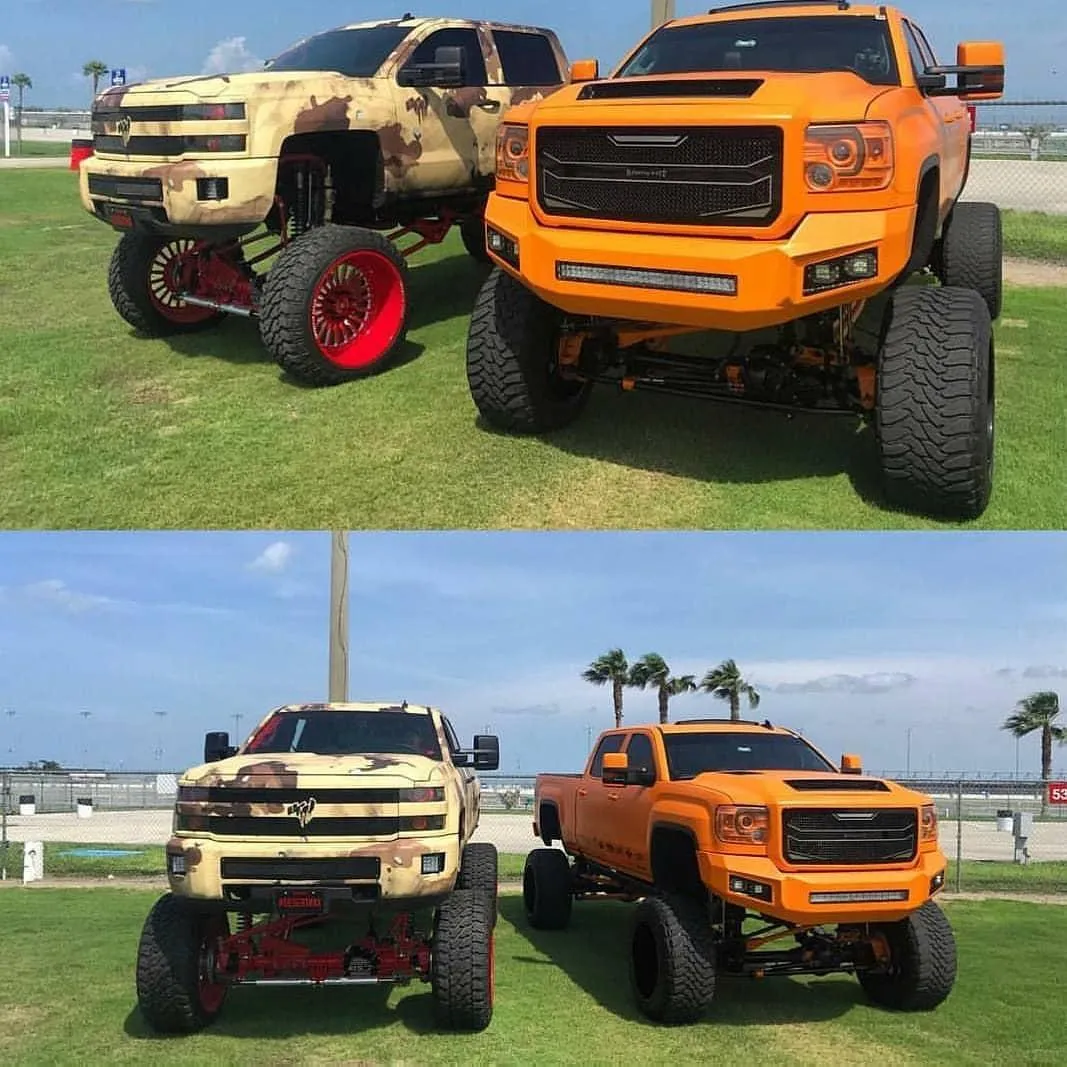
Truck lift kits in Texas are installed for many different reasons. Some drivers want more ground clearance for offroad use, while others are mainly after a more aggressive stance or additional tire clearance. There are also drivers who use their trucks for towing, work travel, hunting, beach driving, or outdoor recreation, which changes the type of suspension setup that makes sense.
The total cost of a lift kit is affected by much more than just lift height. Suspension design, wheel and tire plans, labor complexity, truck platform, and long-term drivability all play a role in the final price.
Lift Height Is Only One Part of the Cost
One of the biggest misconceptions about truck lift kits is that taller always means more expensive. While larger lifts often cost more, the actual price difference usually comes from the number of supporting components required to keep the truck driving properly afterward.
A simple front leveling kit typically involves fewer parts and less labor than a full suspension lift system. Once lift height increases, additional suspension corrections often become necessary.
These can include:
Extended shocks
Upper control arms
Crossmembers
Steering corrections
Driveshaft considerations
Brake line extensions
Differential drop brackets
Many truck owners in Texas want larger tires after lifting the truck, which adds another layer of fitment planning and cost.
A truck built mainly for appearance may use a completely different setup than a truck regularly driven offroad or towing equipment.
The Type of Truck Matters More Than Many People Realize
Not every truck platform responds to suspension modifications the same way. Some trucks are relatively straightforward to lift, while others require more extensive suspension and steering corrections.
Several factors affect lift kit complexity:
Independent front suspension design
Factory ride height
Air suspension systems
Electronic suspension controls
Wheelbase size
Factory tire clearance
Towing package configurations
Modern trucks with advanced suspension systems, adaptive ride controls, or factory technology features often require more planning and labor during installation.
For example, newer Ram trucks with air suspension systems or certain GMC Denali models may require different suspension approaches compared to older trucks with more traditional setups.
This is one reason truck lift kit pricing in Texas can vary heavily between different vehicle brands and model years.
Tire and Wheel Choices Can Increase Costs Quickly
Many truck owners install lift kits mainly because they want larger wheels and tires. However, wheels and tires often become one of the biggest cost variables in the entire build.
The overall price can increase depending on:
Wheel size
Tire size
Tire brand
All-terrain vs mud-terrain tread
Wheel material
Offset requirements
Tire load ratings
Larger tires may also require trimming, alignment work, or additional suspension adjustments for proper clearance.
A truck running moderate all-terrain tires for daily driving may cost much less to complete than a fully lifted setup running oversized mud tires with aggressive offset wheels.
In Texas, many drivers want trucks capable of handling highways, rough roads, outdoor travel, towing, and occasional offroad driving, which often leads to more balanced wheel and tire setups instead of extreme builds.
Suspension Quality Changes the Price and Driving Experience
Two lift kits with the same height can feel completely different on the road depending on suspension quality.
Lower-cost suspension setups may provide the appearance of a lifted truck without improving ride control, while higher-end systems often focus heavily on suspension tuning and long-term drivability.
Several suspension components affect ride quality:
Shock quality
Spring design
Suspension travel
Damping control
Steering geometry
Alignment correction
Drivers who spend long hours commuting across Texas highways often prioritize suspension systems that still feel stable and comfortable during everyday driving.
Meanwhile, trucks used for trails, ranch roads, or outdoor recreation may require suspension systems capable of handling rough terrain and heavier wheel movement.
The more specialized the suspension goals become, the more the overall project cost usually increases.
Labor Complexity Also Affects Lift Kit Pricing
Installation labor varies significantly depending on the truck platform and the amount of modification required.
Some lift kits install relatively quickly, while others involve:
Suspension disassembly
Steering adjustments
Differential modifications
Cutting or trimming
Alignment correction
Wheel fitment testing
Tire clearance adjustments
Larger lifts typically require more labor because additional suspension and steering components need to be corrected afterward.
This becomes even more important when customers want the truck to remain comfortable and dependable for daily use instead of simply sitting higher.
A poorly installed lift kit can create:
Uneven tire wear
Steering instability
Suspension noise
Rough ride quality
Clearance problems
Premature component wear
That is why many truck owners focus not only on lift height, but also on long-term drivability and suspension balance.
Some Trucks Need Supporting Upgrades After Lifting
Lift kits sometimes reveal limitations in other parts of the truck once larger tires and added weight are introduced.
Additional upgrades may eventually include:
Upgraded shocks
Steering stabilizers
Re-gearing
Brake upgrades
Suspension reinforcement
Fender trimming
Lighting adjustments
For example, larger tires add rotational weight, which can change braking feel and acceleration performance. Heavier wheels and tires may also affect steering response and suspension wear over time.
Drivers in Texas who tow trailers or carry heavier loads may eventually need additional suspension support to maintain stable handling after lifting the truck.
This is one reason some builds become more expensive over time even if the original lift kit itself seemed affordable initially.
Texas Driving Conditions Influence Suspension Choices
Truck owners in Texas often use their vehicles differently than drivers in some other regions. Long highway commutes, jobsite driving, outdoor recreation, towing, and rough pavement all influence suspension decisions.
Many drivers want trucks that can handle:
Daily commuting
Highway travel
Boat towing
Camping trips
Beach driving
Hunting property access
Industrial work areas
A suspension system designed only for appearance may not perform well under those conditions long term.
This is why many Texas truck owners choose more balanced lift setups instead of extremely tall builds that sacrifice comfort and practicality.
Should You Choose a Leveling Kit or Full Lift Kit?
This depends heavily on the truck’s intended use and the overall look the owner wants.
A leveling kit is often enough for drivers who:
Want to reduce factory rake
Plan to run slightly larger tires
Prefer moderate ride height changes
Primarily drive on pavement
A full lift kit is usually better for:
Larger tire clearance
Increased ground clearance
Offroad capability
More aggressive suspension travel
Heavier offroad builds
The final decision usually comes down to how the truck will actually be driven rather than simply choosing the tallest setup available.
Frequently Asked Questions
Why do some lift kits cost so much more than others?
More expensive lift kits often include higher-quality suspension components, additional steering corrections, upgraded shocks, and more complete suspension geometry adjustments.
Will lifting my truck affect fuel economy?
Larger tires, heavier wheels, and increased ride height can reduce fuel economy depending on the setup and driving habits.
Can I install bigger tires without lifting my truck?
Some trucks can fit moderately larger tires without suspension modifications, but clearance depends on wheel offset, tire width, and factory suspension design.
Do lift kits make trucks harder to drive daily?
Not always. Proper suspension tuning and balanced wheel and tire setups help maintain comfortable daily drivability even after lifting the truck.
Why do lifted trucks sometimes wear tires unevenly?
Suspension modifications change alignment angles and steering geometry. Improper alignment after lifting can lead to premature tire wear.
Final Thoughts on Truck Lift Kit Costs in Texas
The cost of a truck lift kit depends on much more than simply choosing a suspension height. Truck platform, wheel and tire plans, suspension quality, labor complexity, and long-term drivability all influence the final price of the build.
For many truck owners in Texas, the goal is not just creating a taller truck, but building something that still handles daily driving, towing, work travel, or outdoor use comfortably over time. A properly planned setup usually creates better long-term results than focusing only on the lowest upfront price.
PlainAnSimple Offroad & Accessories works with truck owners looking for suspension setups, wheel fitment, and custom upgrades designed around real-world driving and practical functionality rather than one-size-fits-all builds.

Services
Helpful Links
Contact Information
Phone: (832) 289-8905
Address: 413 Center St, Deer Park, TX 77536, United States
Business Hours:
Mon - Fri 9:00 am - 6:00 pm
Sat - Sun Closed
© 2026 All Rights Reserved | PlainAnSimple Offroad & Accessories | Privacy Policy