
Call or Text (832) 289-8905
Premium Offroad Accessories In Deer Park, Texas
PlainAnSimple Offroad Blog
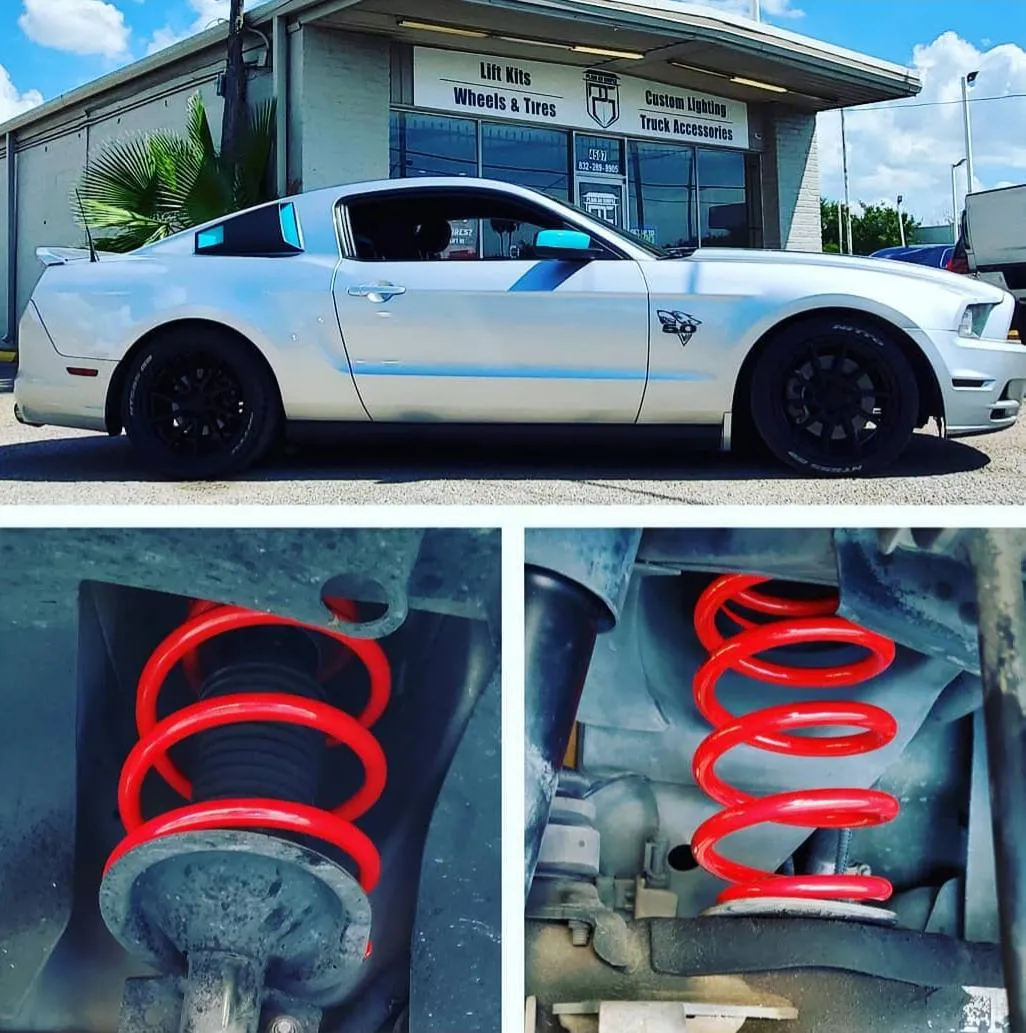
Can Cheap Suspension Parts Cost More Long-Term?
The Cheapest Suspension Setup Is Not Always the Cheapest Decision
A lot of truck owners start suspension upgrades with a budget in mind. That makes sense, especially when lift kits, leveling kits, shocks, wheels, and tires can quickly turn into a large project. The problem is that some low-cost suspension parts only seem cheaper at the beginning.
Many drivers in Texas eventually discover that poor-quality suspension components can create additional repair costs, uncomfortable ride quality, premature tire wear, or constant replacement problems over time.
Suspension systems affect nearly every part of how a truck drives. Steering feel, braking stability, ride comfort, towing control, suspension travel, and tire wear are all connected to suspension quality. A setup that initially saves money can sometimes create more expenses later if the parts fail early or perform poorly under daily driving conditions.
Suspension Problems Usually Show Up Gradually
One reason low-quality suspension parts become expensive long-term is because the problems often develop slowly instead of immediately after installation.
The truck may initially feel acceptable, but over time drivers begin noticing:
Uneven tire wear
Suspension noise
Excessive bouncing
Steering looseness
Rough ride quality
Sagging ride height
Reduced towing stability
Some suspension issues become especially noticeable on Texas highways where trucks spend long periods driving at higher speeds or carrying additional weight.
Cheap suspension parts do not always fail instantly. In many cases, they wear faster under regular driving conditions until the truck slowly becomes less stable and less comfortable to drive.
Lower-Cost Shocks Often Wear Out Faster
Shock absorbers are one of the most noticeable differences between budget suspension setups and higher-quality systems.
The job of a shock is not simply making the ride softer. Shocks help control suspension movement after bumps, braking, cornering, towing, and uneven pavement. Poor-quality shocks usually struggle to control heavier trucks consistently over time.
Several long-term problems can appear with lower-quality shocks:
Increased bouncing after bumps
Nose-diving during braking
Excessive body roll
Reduced control while towing
Faster heat buildup
Oil leakage
This becomes more noticeable on lifted trucks running larger wheels and tires because heavier tire setups place more stress on suspension components.
Cheap Suspension Parts Can Accelerate Tire Wear
Many truck owners focus mainly on suspension price without realizing how suspension quality directly affects tire life.
Poor suspension geometry or worn components can create:
Cupping
Uneven tread wear
Edge wear
Steering instability
Tire vibration
Tires are already one of the most expensive parts of many truck builds, especially on lifted trucks running oversized all-terrain or mud-terrain setups. Replacing expensive tires prematurely because of poor suspension performance often costs far more than investing in better suspension components initially.
For drivers in Texas who regularly commute long distances or tow trailers, tire wear becomes even more important because highway mileage adds up quickly.
Some Budget Lift Kits Focus More on Height Than Ride Quality
Not every affordable lift kit is automatically bad, but some lower-cost kits focus mainly on achieving ride height instead of maintaining proper suspension performance afterward.
As lift height increases, suspension geometry becomes more sensitive. Higher-quality systems often include additional corrections designed to help maintain drivability.
These may include:
Upper control arms
Improved shocks
Differential drop brackets
Steering corrections
Better spring rates
Suspension travel improvements
Budget systems sometimes leave out some of these supporting components, which can lead to rough ride quality or steering issues later.
A truck that sits taller but constantly feels unstable on the highway usually becomes frustrating to own long term.
Heavier Trucks Put More Stress on Suspension Components
Modern trucks continue getting heavier because of larger cab sizes, towing packages, diesel engines, technology systems, and oversized wheel and tire combinations.
That added weight places more stress on:
Ball joints
Bushings
Tie rods
Shocks
Springs
Control arms
A suspension setup that performs adequately on a lighter truck may wear out much faster on a heavier full-size truck carrying larger tires and extra accessories.
This is one reason suspension quality matters heavily for:
Diesel trucks
Towing setups
Offroad builds
Trucks with oversized wheels and tires
Trucks carrying additional gear or equipment
Offroad Use Exposes Weak Suspension Components Quickly
Drivers in Texas who use their trucks for ranch roads, trails, beach driving, hunting land access, or rough industrial roads often discover suspension weaknesses faster than drivers staying only on pavement.
Rough terrain increases stress on suspension movement, heat buildup, and component fatigue.
Lower-quality parts may struggle with:
Repeated impacts
Extended suspension travel
Heavy wheel movement
Dust and debris exposure
Offroad vibration
Inconsistent suspension control also affects comfort during long drives on uneven roads.
For trucks used regularly outdoors, suspension durability becomes far more important than simply achieving a lifted appearance.
Suspension Quality Affects Towing Stability
Many truck owners in Texas use their vehicles for towing boats, trailers, work equipment, or campers. Suspension quality plays a major role in how stable the truck feels under load.
Lower-quality suspension setups may create:
Rear-end squat
Excessive bouncing
Poor steering response
Increased sway
Unstable braking feel
Towing instability becomes more noticeable at highway speeds or during longer trips.
Higher-quality suspension systems are often designed to better control weight transfer and maintain more predictable handling while hauling additional loads.
Replacing Cheap Parts Multiple Times Adds Up Quickly
One major reason cheap suspension parts become expensive long term is repeated replacement.
Some truck owners end up replacing:
Worn shocks
Failing bushings
Sagging springs
Loose steering components
Damaged ball joints
Those repair costs add up quickly, especially when alignment costs and labor are repeatedly involved.
In many cases, drivers eventually purchase better suspension parts later anyway after becoming unhappy with the original setup.
The Right Suspension Setup Depends on How the Truck Is Used
Not every truck needs the most expensive suspension system available. However, suspension quality should match the truck’s intended use.
Different setups are designed for different priorities:
Highway comfort
Towing stability
Offroad capability
Daily commuting
Street-truck handling
Larger tire support
A balanced suspension setup usually creates better long-term drivability than choosing parts based only on the lowest upfront cost.
Frequently Asked Questions
Do cheap lift kits ride worse?
Some lower-cost lift kits can create rougher ride quality depending on the shocks, springs, and suspension geometry corrections included in the setup.
Can suspension parts affect tire wear?
Yes. Suspension alignment, shock quality, and steering stability all influence how evenly tires wear over time.
Why do lifted trucks sometimes feel loose on the highway?
Poor suspension tuning, weak shocks, incorrect alignment, or oversized tires can all contribute to unstable steering feel at highway speeds.
How long do suspension parts usually last?
Lifespan varies depending on driving conditions, truck weight, tire size, towing use, and suspension quality.
Is expensive suspension always necessary?
Not always. The best suspension setup depends on how the truck is used, but extremely cheap components may create drivability or durability issues long term.
Final Thoughts on Cheap Suspension Parts
Suspension upgrades affect much more than ride height alone. Steering stability, tire wear, towing performance, comfort, and long-term drivability are all connected to suspension quality.
For many truck owners in Texas, suspension systems need to handle highway driving, rough pavement, towing, outdoor use, and oversized tires all at the same time. Choosing suspension parts based only on the cheapest upfront price can sometimes lead to additional repairs, poor ride quality, and repeated replacement costs later.
PlainAnSimple Offroad & Accessories works with truck owners looking for suspension setups designed around proper fitment, drivability, and long-term performance rather than quick shortcuts that create problems down the road.

Services
Helpful Links
Contact Information
Phone: (832) 289-8905
Address: 413 Center St, Deer Park, TX 77536, United States
Business Hours:
Mon - Fri 9:00 am - 6:00 pm
Sat - Sun Closed
© 2026 All Rights Reserved | PlainAnSimple Offroad & Accessories | Privacy Policy
Website Done By: LocalEyes